Analysis

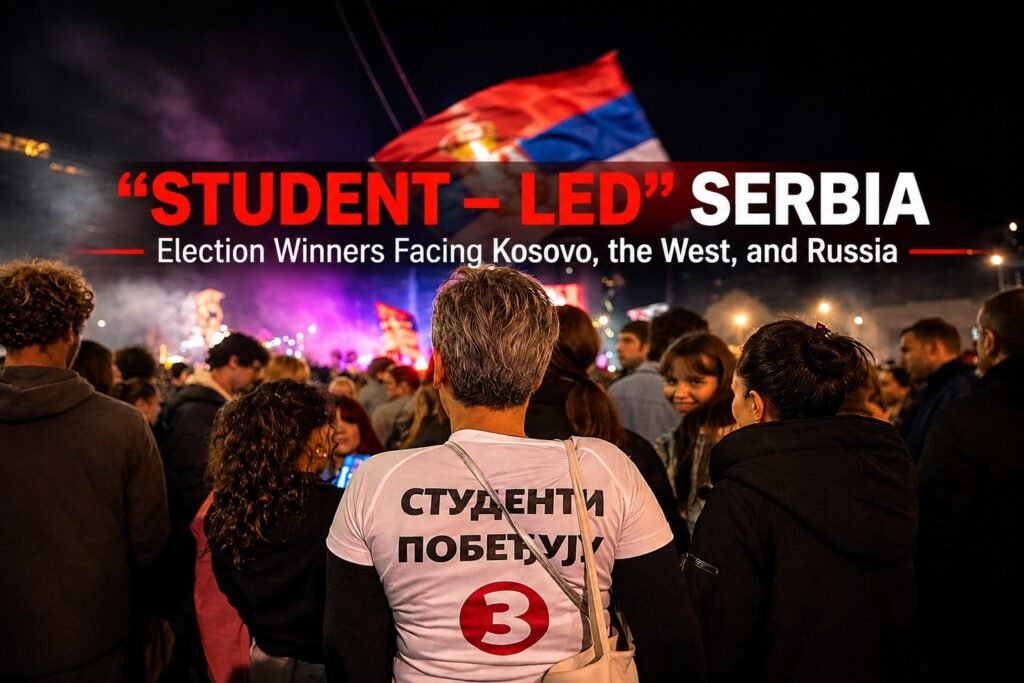
“STUDENT – LED” SERBIA

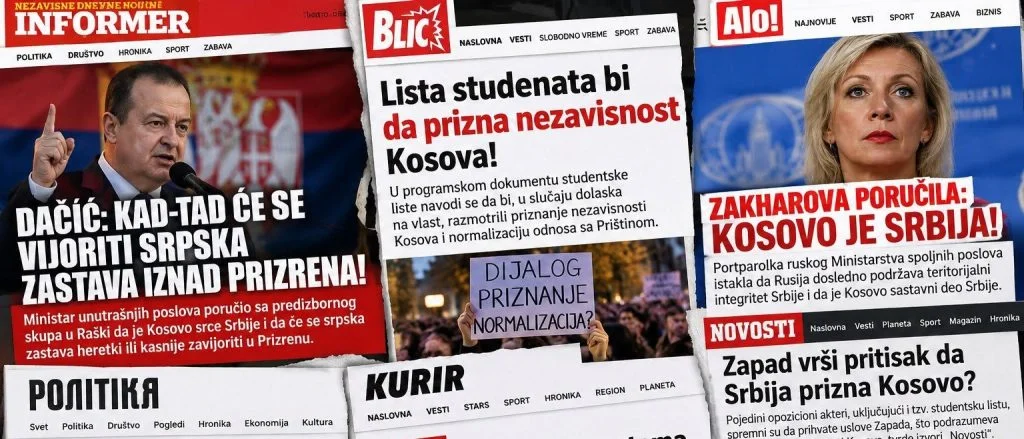
Election Winners Facing Kosovo, the West, and Russia Author: Gjon Culaj – External Associate at the “Octopus” Institute The victory of the Student List in the early parliamentary elections (25/10/2026) marked the symbolic end of Milošević’s political legacy, but left open the question of whether it would also mark the end of his hegemonistic policies.

“STUDENT – LED” SERBIA Read More »
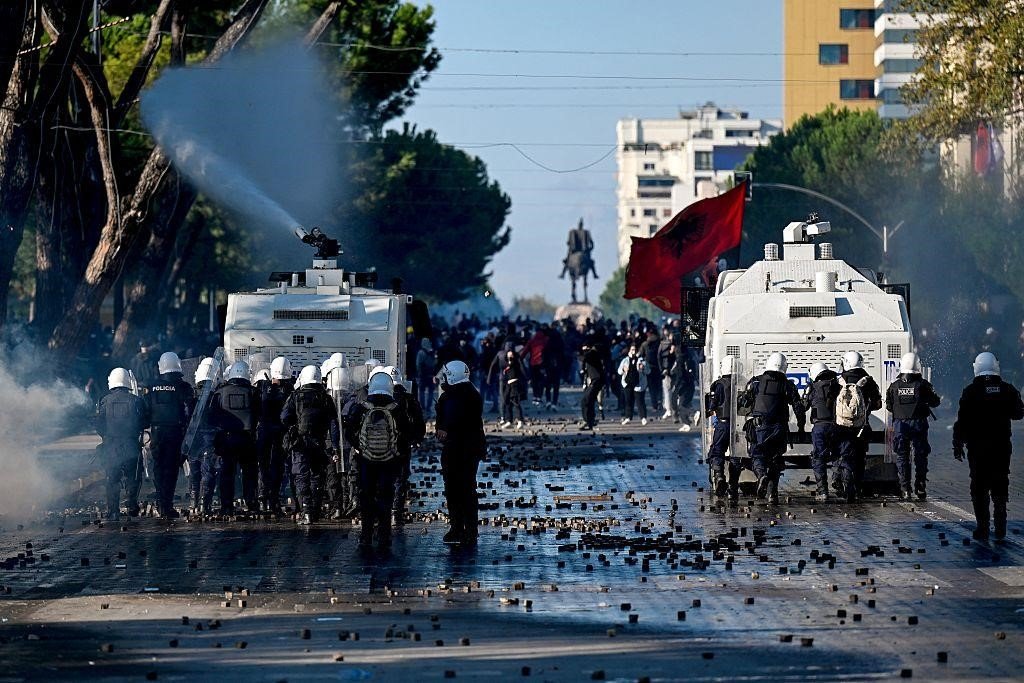
THE GEOPOLITICAL BACKGROUND OF VIOLENCE IN ALBANIA

Author: Dr. Arben Fetoshi – Director at Institute for Hybrid Warfare “OCTOPUS” The wave of protests in several European countries due to economic dissatisfaction, the crisis of representation and distrust in institutions, also has a geopolitical dimension in Albania. The reality in the Balkans, marked by political contestation and the ‘revisionist ambitions’ of the anti-Western

THE GEOPOLITICAL BACKGROUND OF VIOLENCE IN ALBANIA Read More »

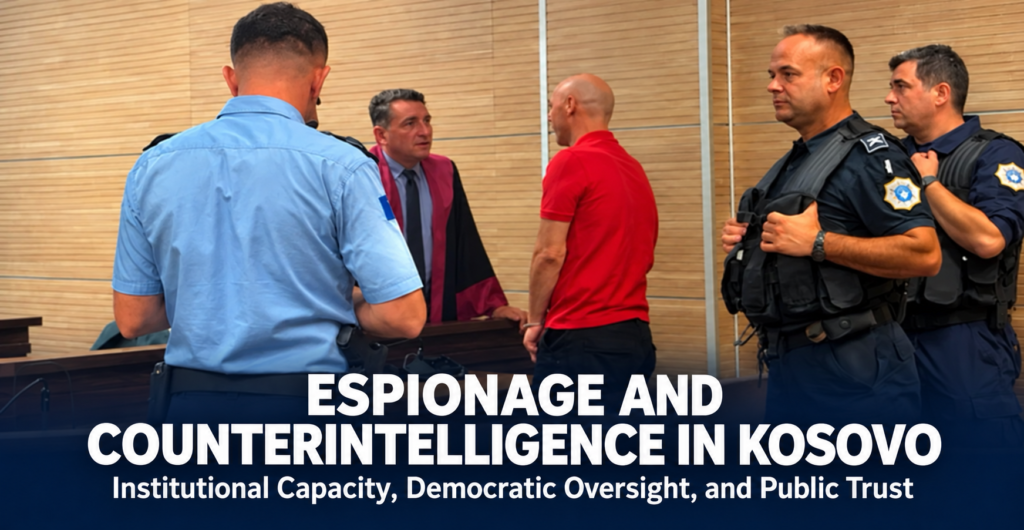
ESPIONAGE AND COUNTERINTELLIGENCE IN KOSOVO

Institutional Capacity, Democratic Oversight, and Public Trust Author: Dr. Gjon Culaj, Associate Fellow at the “Octopus” Institute The recent arrests and criminal proceedings involving allegations and convictions related to espionage in Kosovo have opened an important debate about the capabilities of the country’s security institutions, the nature of intelligence threats, the role of the public

ESPIONAGE AND COUNTERINTELLIGENCE IN KOSOVO Read More »

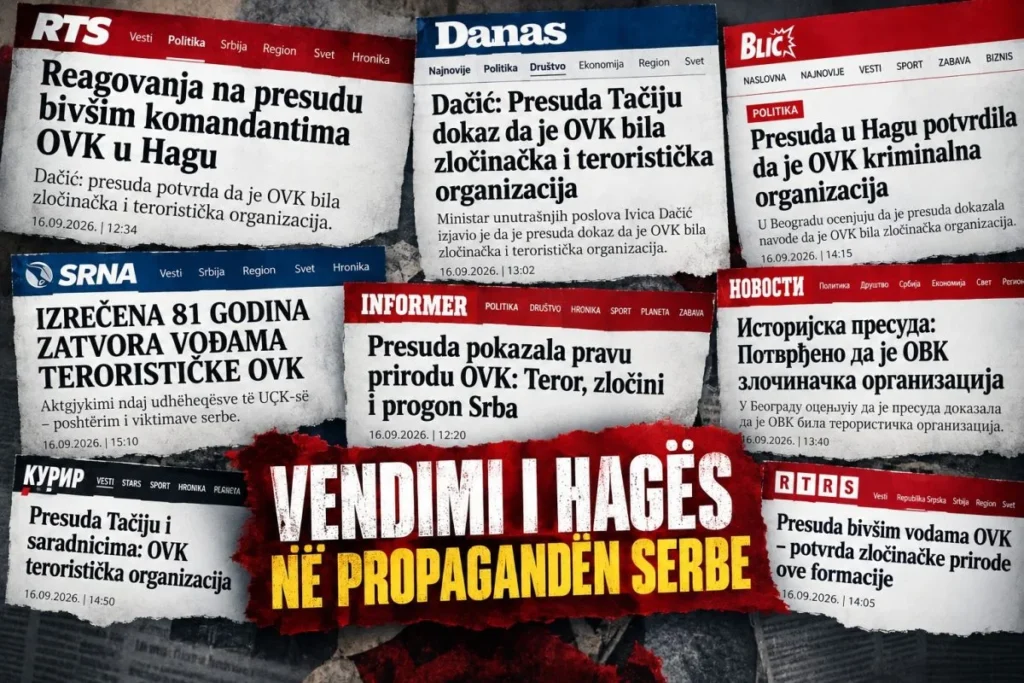
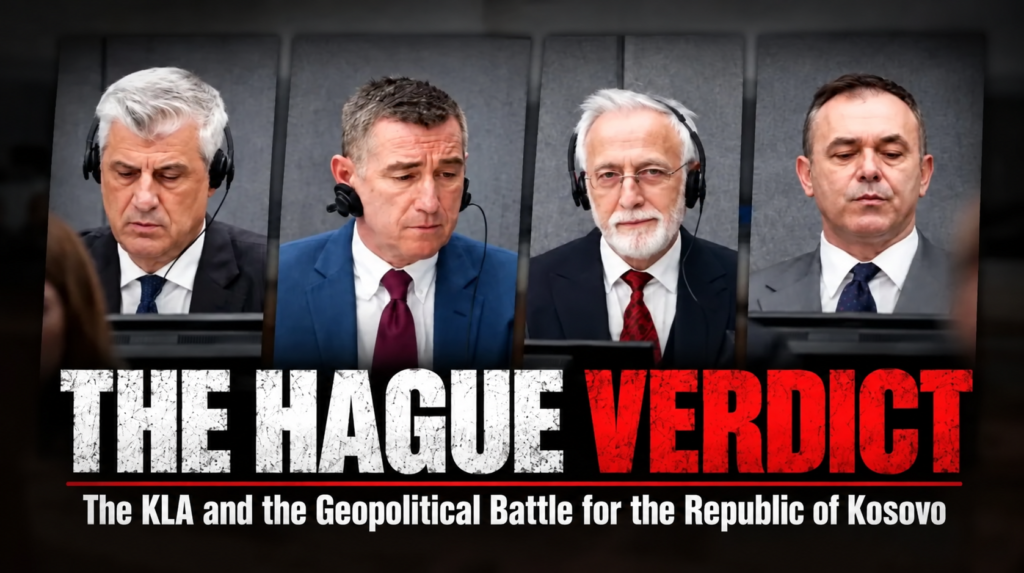
THE HAGUE VERDICT

The KLA and the Geopolitical Battle for the Republic of Kosovo Author: Dr. Arben Fetoshi – Director at Institute for Hybrid Warfare “OCTOPUS” On 16 September 2026, the Specialist Chambers in The Hague will deliver the judgment against four leaders of the Kosovo Liberation Army: Hashim Thaçi, Kadri Veseli, Rexhep Selimi, and Jakup Krasniqi. Nearly

THE HAGUE VERDICT Read More »

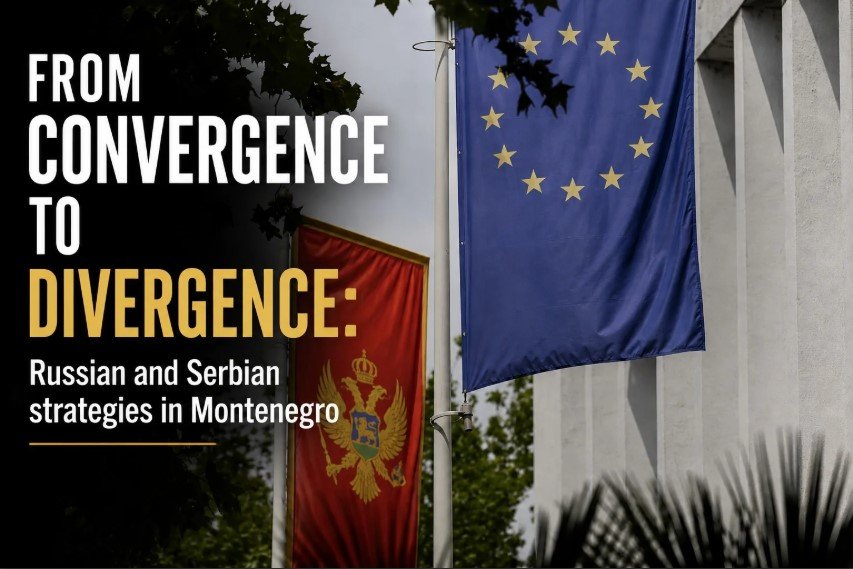
FROM CONVERGENCE TO DIVERGENCE: Russian and Serbian Strategies in Montenegro

Danilo Kalezic University of Montenegro Kalezic13@gmail.com Overview: This analysis examines the evolving nature of Russian and Serbian influence in Montenegro and argues that their strategic interests are increasingly diverging as the country advances toward European Union membership. Drawing on the literature on authoritarian diffusion, external anti-democratic influence, and the black knight effect, the paper analyzes

FROM CONVERGENCE TO DIVERGENCE: Russian and Serbian Strategies in Montenegro Read More »