OCTOPUSINSTITUTE

Russia, Kosovo, and Ukraine: The False Model of the “Precedent”

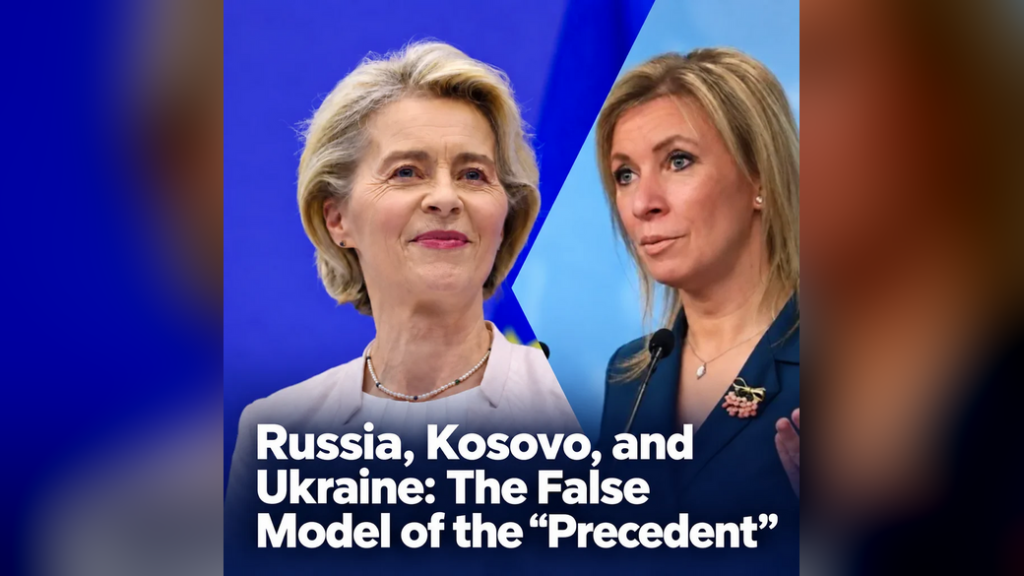
Author: Dr. Gurakuç Kuçi – Senior Researcher at Institute for Hybrid Warfare Studies “OCTOPUS” and professor at Kolegji UNI The deepening failure to defend Russia’s aggressive and unlawful actions against Ukraine, its neighbors, and beyond is pushing this geographically large state (Russia) to lose the narrative battle in Kosovo. The President of the European Commission,

Russia, Kosovo, and Ukraine: The False Model of the “Precedent” Read More »

Serbia’s Militarization: Security Dilemma in Western Balkans

Author: Dr. Gjon Culaj, Associate Fellow at the “Octopus” Institute Security constitutes one of the fundamental concepts of international relations, especially in regions where the history of conflicts and the lack of trust among actors continue to shape political and security developments. The Western Balkans represent a characteristic example of such an environment, where security

Serbia’s Militarization: Security Dilemma in Western Balkans Read More »

Harmful Narratives and Anti-Western Discourse: Pro-Russian and Pro-Serbian Actors in Western Public Space

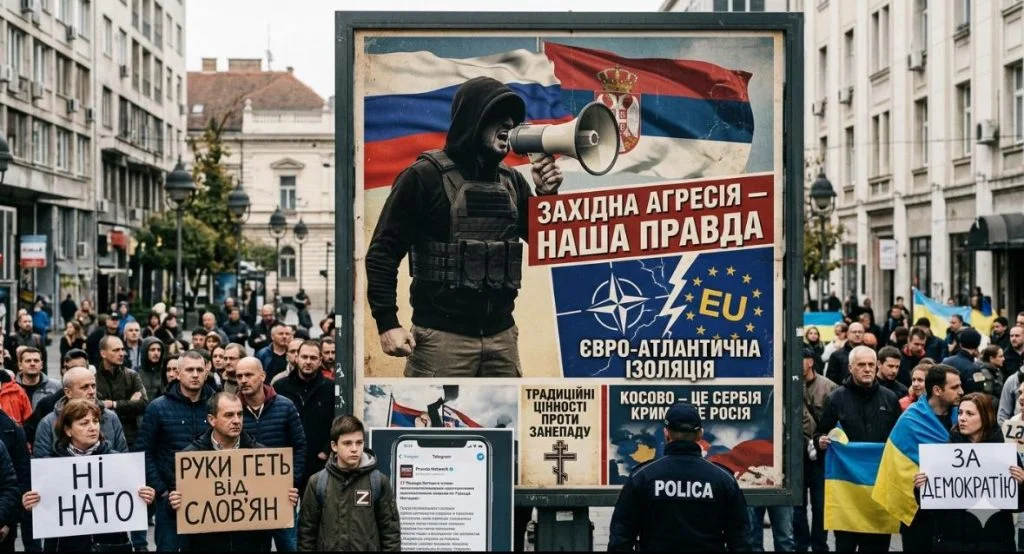
Author: Dr. Iryna Synelnyk – External Collaborator of Institute Hailing from various Western countries and hailing from different age groups and nationalities, they have one thing in common: they all like Russia and her authority and admire the dictator Vladimir Putin. They publicly repeat Kremlin narratives about the war in Ukraine, the harmful impact on

Harmful Narratives and Anti-Western Discourse: Pro-Russian and Pro-Serbian Actors in Western Public Space Read More »

Political polarization in the context of security

Author: Dr. Gjon Culaj, Associate Fellow at the “Octopus” Institute Political and social polarization has become one of the most concerning and potentially destabilizing phenomena for the functioning of contemporary democracies (EPRS, 2025). From the perspective of contemporary security theories, social cohesion and political stability are considered essential elements of comprehensive security strategy, beyond the

Political polarization in the context of security Read More »

THE THREATS OF A FAILED PROJECT

From March 23, 1989 to today – “victimization” that threatens peace in the Balkans Author: OCTOPUS INSTITUTE Today, 37 years ago, Slobodan Milošević had “formalized” the plan for the Serbianization of Kosovo. The suppression of autonomy on March 23, 1989 was preconditioned through “victimization” as a strategy of the Academy of Sciences (1986), in order

THE THREATS OF A FAILED PROJECT Read More »

THE STRATEGY OF “POGROM”

Serbia’s manipulation of the March 2004 unrest Author: Dr. Arben Fetoshi – Director at Institute for Hybrid Warfare “OCTOPUS” A tragedy that began in the Ibar River, where three Albanian children (Egzon Deliu and Avni and Florent Veseli) drowned while being chased by a group of Serbs, on March 17 and 18, 2004, turned into

THE STRATEGY OF “POGROM” Read More »

THE MASKS OF RUSSIAN INFILTRATION

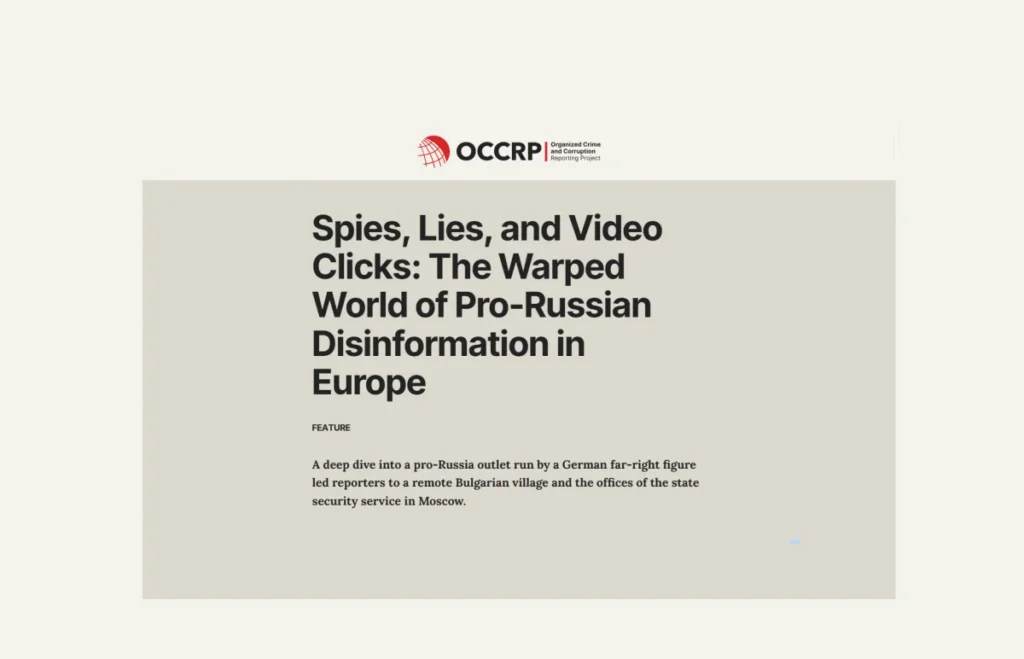
Author: OCTOPUS INSTITUTE An investigation by the international investigative journalism network Organized Crime and Corruption Reporting Project (OCCRP) has revealed how modern Russian influence operations in Europe are concealed. According to the investigation, the case began when the name Achim Detjen appeared as the author on a German-language portal called Anonymous News. Detjen is the

THE MASKS OF RUSSIAN INFILTRATION Read More »

TRANSATLANTIC “RECONCILIATION”

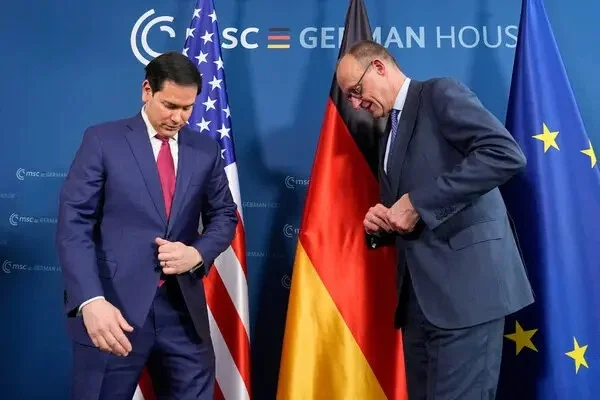
Munich Security Conference 2026 Author: Dr. Gjon Culaj, Associate Fellow at the “Octopus” Institute At a time of global uncertainty, when the world is facing successive crises such as Russian aggression in Ukraine, strategic rivalry with China, and instability in the Middle East, the Munich Security Conference (MSC-2026) presented a clear picture of the state

TRANSATLANTIC “RECONCILIATION” Read More »